Posts

Lisbon

Image
Lisbon is older than Rome!And according to most estimates, around 4 centuries older. It is in fact the second oldest European capital after Athens, many historians believing that it was settled by the Phoenicians around 1200 B.C., and who used the excellent transport possibilities offered by the River Tagus. One of the theories for the origin of the name Lisbon is that it came from the term “Allis Ubbo” or “safe harbour” in Phoenician. – the Tagus is Iberia’s largest river and its estuary at Lisbon, up to 14Km wide, is said to be large enough to contain all the warships in the world. – The Lisbon Half Marathon, held every year in March, is one of the most attended events of its kind in the world. – Lisbon’s Vasco da Gama Bridge is the longest bridge in Europe. The world record for the largest dining table was set when some 15,000 people were served lunch on the bridge as part of the inauguration celebrations. . – the Largest Human Logo was made up of 34,000 peo...

Morocco’s blue medina

Image
Chefchaouen, a small town in northern Morocco, has a rich history, beautiful natural surroundings and wonderful architecture, but what it’s most famous for are the striking and vivid blue walls of many of the buildings in its “old town” sector, or medina.   The maze-like medina sector, like those of most of the other towns in the area, features white-washed buildings. The brilliantly blue walls, however, seem to be unique to Chefchaouen. They are said to have been introduced to the town by Jewish refugees in 1930, who considered blue to symbolise the sky and heaven. The colour caught on, and now many also believe that the blue walls serve to repel mosquitoes as well (mosquitoes dislike clear and moving water). Whatever the reason, the town’s blue walls attract visitors who love to wander the town’s narrow streets and snap some beautiful photos. Stunning!

Facts about Lapland

Image
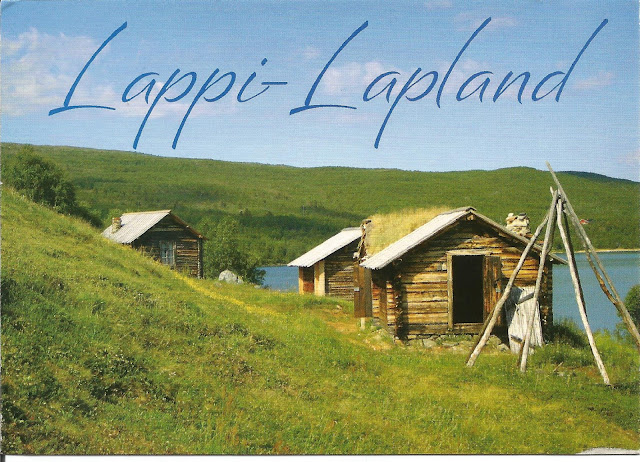
Finland’s northernmost part, Lapland covers a total area of nearly 90,000 km2, or almost a third of the total land area of Finland.Even though Lapland is very large, it is only occupied by 3.6 percent of the total population.  It means that 200,000 people live here.   Many people think that Lapland is the home to the polar bears. Actually it is not true. There are no polar bears in the area. You can find many old trees in Lapland.   The snow pines trees that you can find here are 200 to 300 years old. If you want to know the oldest pine tree in Lapland, you can go to Inari. The age of the tree is 529 years old. There are many kinds of berries that people can grow in Lapland. You can find cranberries, raspberries and blueberries. You can also find the unique berries such as crowberries, cloudberries and lingonberries.  Sami people are the native people in Lapland. You can find the Sami people living in Sweden, Norway, Russia, and Finland. Sami h...

One Thousand Hands Buddha

Image
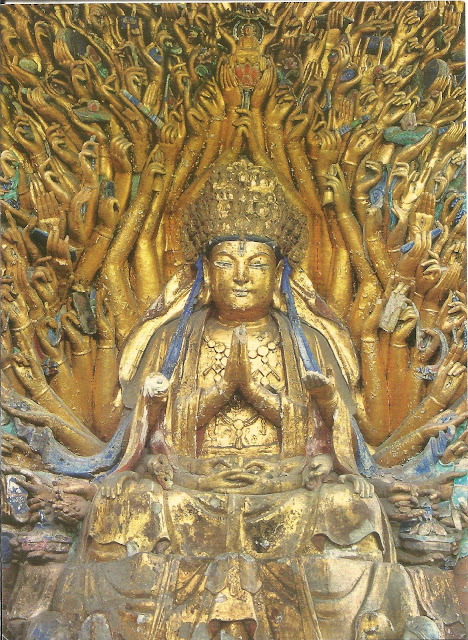
 One Thousand Hands Buddha is a superior, spiritually healing Qigong method.  This Qigong form was inspired by the symbolic positioning of Buddha’s fingers, referred to as “mudras” by Buddhists.  It is a method that produces calmness and keeps the heart from “galloping away”, leading the practitioner into a state of silence and peace, a little at a time.  This meditative Qigong form alleviates suffering, fortifies energy, calms the heart and helps the spirit attain wisdom. The method also helps fight stress and strengthens the memory.

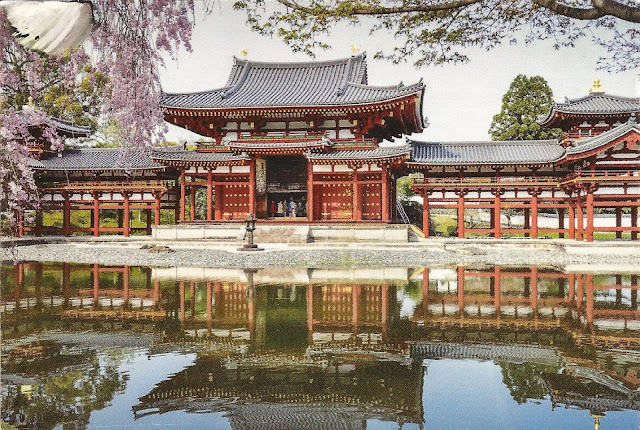
Chinese temple

Image

San Giulio Island

Image
San Giulio Island is an island within Lake Orta in Piedmont, northwestern Italy.The most famous building on the island is the Basilica of Saint Giulio close to which is the monumental old seminary (1840s). Since 1976 it has been transformed into a Benedictine monastery. The little island, just west of the lakeshore village of Orta San Giulio, has very picturesque buildings, and takes its name from a local patron saint (Julius of Novara), who lived in the second half of the 4th century.

Batak Toba Houses

Image
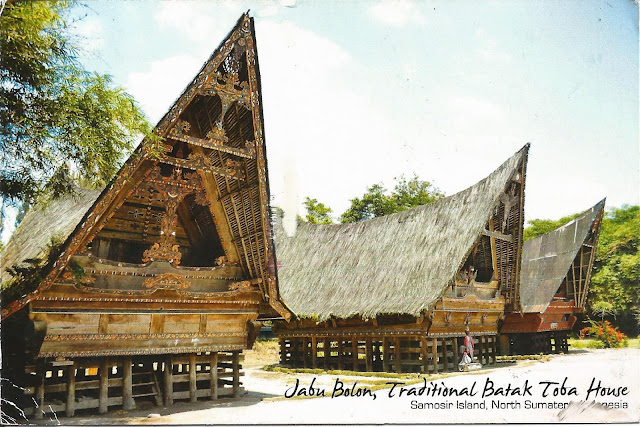
 The Batak Toba are one of six Batak tribes that inhabit northern and central Sumatra. Each tribe has a distinctive culture and architectural style. Two Batak tribes are Muslim, while the the Toba and another tribe are Christian. The Batak Toba people are concentrated around Lake Toba, the world's largest caldera lake. Their houses are among the most distinctive in Indonesia, with their famous boat-shaped roofs and finely-decorated carvings. The roofs of the Batak Toba houses are formed of sugar palm fiber thatch, held together with rattan cords. However, many houses have abandoned the labor-intensive thatched roof and have converted to zinc metal roofs, which are far more durable in the humid climate.