Posts

Showing posts with the label Tunisia

Hammamet, Tunisia

Image
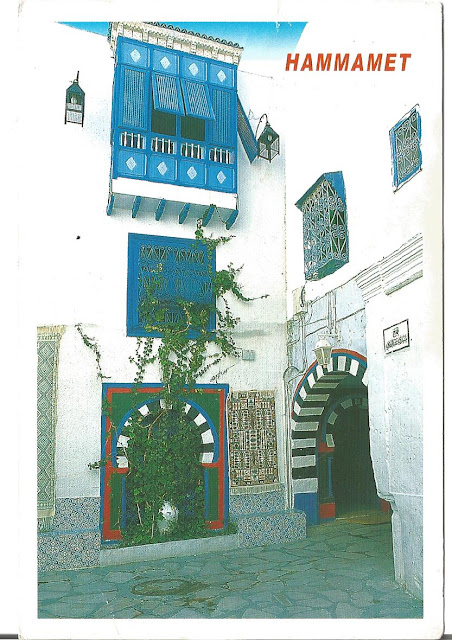
 Hammamet is a town in Tunisia. Thanks to its beaches it is a popular destination for swimming and water sports. It is the first tourist destination in Tunisia.

Matmata, Tunisia

Image
Matmata is a small Berber speaking town in southern Tunisia. Some of the local Berber residents live in traditional underground "troglodyte" structures. In 2004 it had a population of 2,116.

Ksar Ouled Soltane

Image
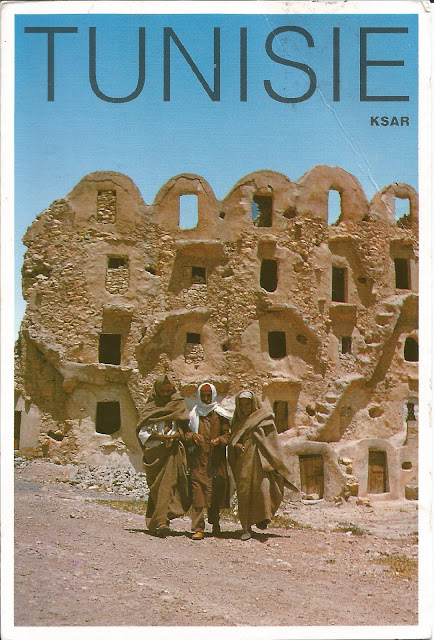
Ksar Ouled Soltane  is a fortified granary, or   ksar , located in the   Tataouine   district in southern Tunisia . The ksar is spread out over two courtyards, each of which has a perimeter of multi-story vaulted granary cellars, or ghorfas . Like other   ksour   (plural of   ksar ) created by North African   Berber   communities, Ksar Ouled Soltane is located on a hilltop, to help protect it from raiding parties in previous centuries. Ksar Ouled Soltane is now a tourist destination, with visitors coming to see its well-preserved granary vaults. It was also featured in the film  Star Wars: Episode I – The Phantom Menace in some of the scenes used to represent the slave quarters of Mos Espa, where the character Anakin Skywalker lived as a boy.

Sidi Bou Said

Image
Located just north of Tunis, the capital of Tunisia, is the town of Sidi Bou Said. The entire town is located on top of a steep cliff, which overlooks the Mediterranean Sea. The view from Sidi Bou Said is absolutely phenomenal, and will continue to amaze you throughout your entire trip. The entire town is simply beautiful, with flowers draped from almost every wall and doorway, and beautiful flowing vines hanging throughout the entire area. Sidi Bou Said is so beautiful, in fact, that many artists have taken up residence here.The town is also said to have inspired famous artist Paul Klee, and famous writer Andre Gide.
Nabeul, Tunisia

Image
 The city on this postcard is Nabeul, Tunisia is coastal touristic city and is the capital of the Nabeul Governorate. It was founded in 5th century by the Greeks and it's name was Arabised form of Greek's Neapolis 'new city'.

Tunisian Etiquette

Image
Tunisians are relatively egalitarian in their interpersonal relations, but there is a strong sense of etiquette. People should be addressed respectfully. A man should not show too much curiosity towards the women in his friend's family. Some people with a sense of their own status do not visit those they consider lower in rank.  In certain sectors of Tunisian urban society, women cover head and body in public with a rectangular white cloth, the safsari. Rural women follow different dress practices, but may adopt urban forms on visits to the city. These older practices are rarer now, and the "modern" veil has been officially discouraged, so there is no common dress code. Men are also supposed to show respect for each other. A man is not supposed to smoke in front of his father, and he is not supposed to carry his own child in the presence of his father. Brothers might ...

Carthage

Image
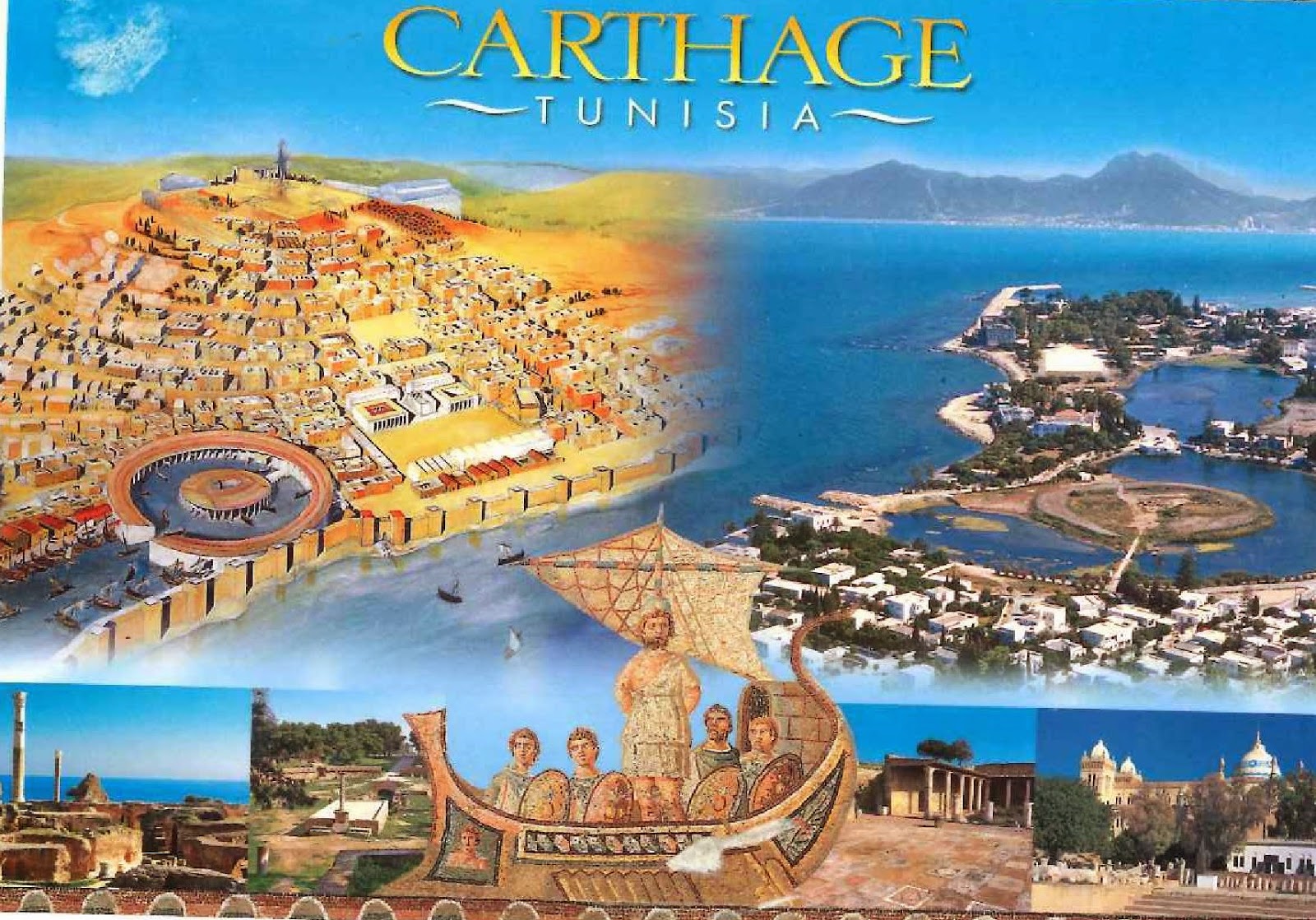
The city of Carthage   is a city in Tunisia and was the centre of the ancient Carthaginian civilization. The city developed from a Phoenician colony of the 1st millennium BC into the capital of an ancient empire. The area of Carthage was before inhabited by Berber people who also became the bulk of Carthage's population and constituted a significant part of its army, economy and administration. Native Berbers and settling Phoenicians in Carthage mixed in different ways including religion and language, creating the Punic language and culture. The name of Carthage, Latin: Carthago or Karthago ,meaning "New City". The first civilization that developed within the city's sphere of influence is referred to as Punic (a form of the word "Phoenician") or Carthaginian. The city of Carthage is located on the eastern side of Lake Tunis across from the centre of Tunis.