Posts

Showing posts with the label Bulgaria

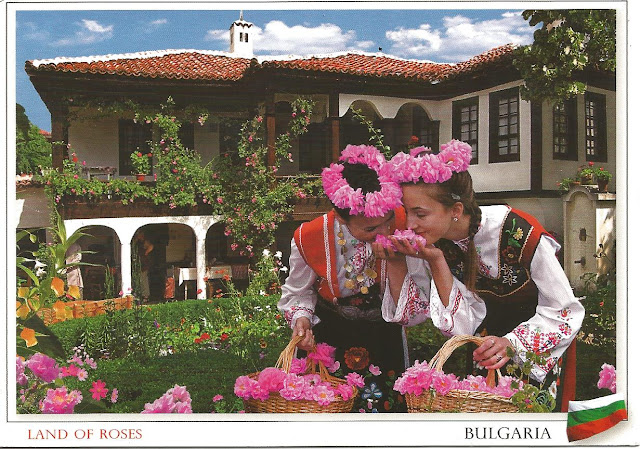
Land of Roses, Bulgaria
Image
Bulgaria is often called the land of roses. On the postcard you can see the roses which are  called 'Bulgarian Roses'. Bulgaria is famous for it's roses, Bulgarian rose oil and perfume. Bulgarian Rose Oils has a lot of health benefits and used for beauty as well.   If you visit Bulgaria in June, make sure you to visit world famous Bulgarian Rose Festival. B ulgaria has a long history of harvesting roses and the annual Rose Festival is a colourful, fragrant celebration of this age-old tradition!  

Plovdiv The Old Town

Image
  Ancient Plovdiv Architectural Reserve is a well-preserved complex where on a relatively small area visitors can take walks through different historical ages, see ancient buildings adapted to the modern way of life and feel the spirit of the town from the Bulgarian Revival Period.

Perperikon

Image
Located in the Eastern Rodopi Mountains, Perperikon is perched on one of the low hills, 15 kilometres north-east of the town of Kurdzhali. On the hill, 470 metres above sea level, one can make out various, overgrown-with-grass but nonetheless impressive elements: stone steps, half-destroyed walls, tombs, food depositories, mosaics and stone equipment which – according to archaeologists, was used for making wine and sacred rituals.

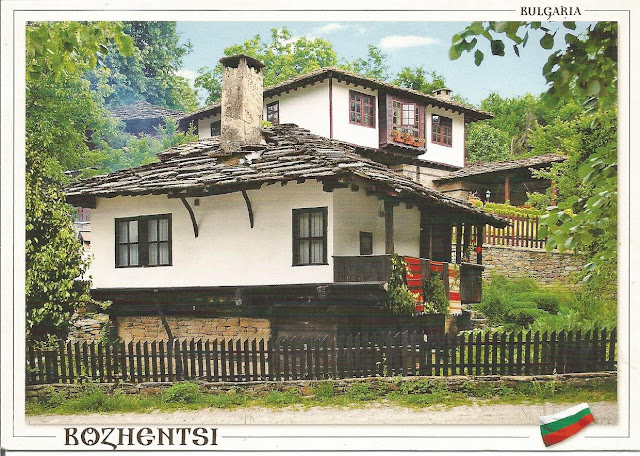
Bozhentsi, Bulgaria

Image
 The old houses in Bozhentsi were built in the 18th, 19th century but they still keep their ancient appearance and valuable architectural and ethnographical monuments form the period of the Bulgarian Renaissance.

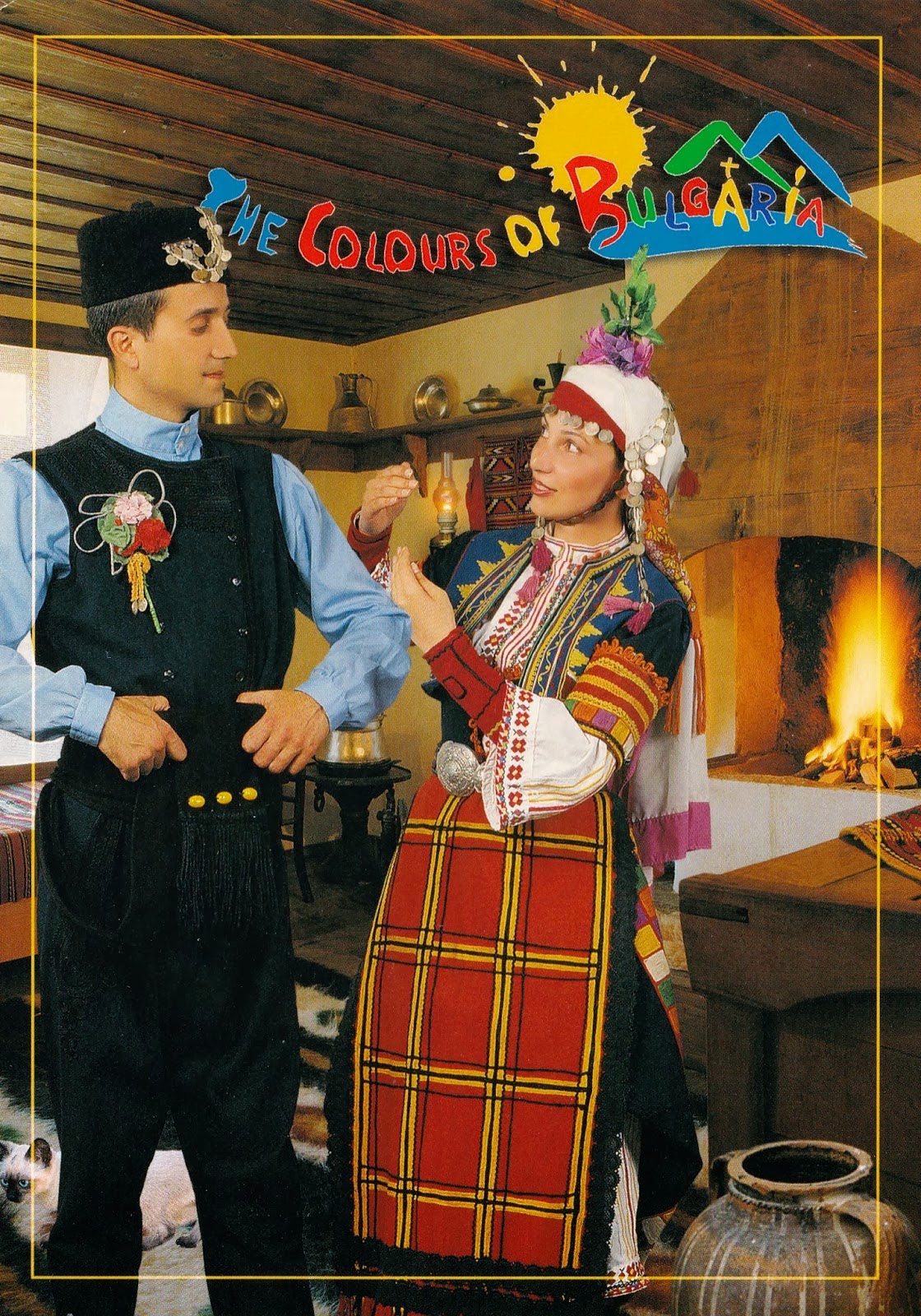
Bulgarian National Costumes

Image
 Bulgarian folk costume in Bulgaria is the garments that were worn in Bulgarian villages until the beginning of the 20 th century. These garments were hand made in the villages using materials that were produced locally. The basic structure of the clothing worn by men and women for workdays and holidays remained the same for many hundreds of years, until urban influenced fashion and factory produced clothes became available. The garments that can be seen in ethnographic museums today date from the end of the 19th century and the beginning of the 20th century which is the period when the most elaborate costumes were made. The costumes on display are often those worn for weddings, which had the most layers, and were worn with heavy metal jewellery. After women were married, and later were widowed the number of garments worn was reduced, with those being worn have little or no decoration. By the ...

The Devil's Bridge

Image
Devil’s Bridge is a name given to dozens of ancient bridges, found primarily in Europe.  Each of the Devil’s Bridges has a corresponding devil-related myth or folktale Devil’s Bridge in Bulgaria legend says that the devil is ordered to make a bridge with its image. Here are some of the legends - One version of the tale presents the bridge builder and the Devil as adversaries. This reflects the fact that frequently, such as in the case of the Teufelsbrücke at the St. Gotthard Pass, these bridges were built under such challenging conditions that successful completion of the bridge required a heroic effort on the part of the builders and the community, ensuring its legendary status.Other versions of the legend feature an old lady or a simple herder who makes a pact with the Devil. In this version the devil agrees to build the bridge, and in return he will receive the first soul to cross it. After building the bridge (often overnight) the devil is outwitted by hi...