Posts

Showing posts with the label Belgium

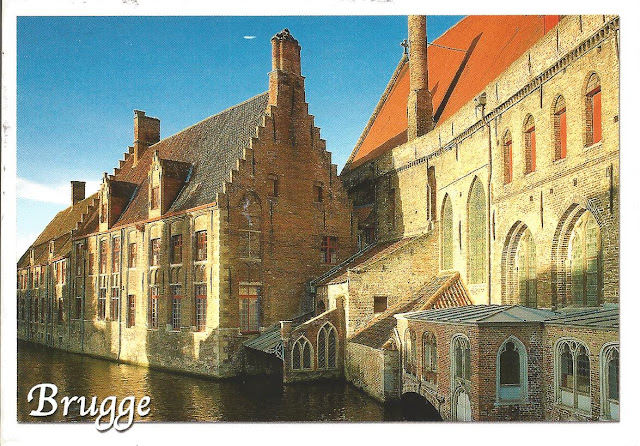
Brugge, Belgium

Image
Bruges, the capital of West Flanders in northwest Belgium. Brugge is an outstanding example of a medieval historic settlement, which has maintained its historic fabric as this has evolved over the centuries, and where original Gothic constructions form part of the town's identity.  

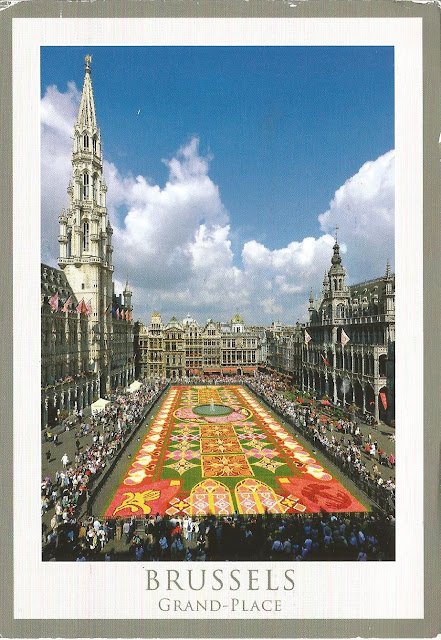
Flower carpet in Brussels

Image
 Capitalizing on the color diversity of the beautiful begonia and its historic commercial cultivation in Belgium, Brussels has created a spectacular festival of flowers that draws visitors from around the world every two years.

Belgium

Image
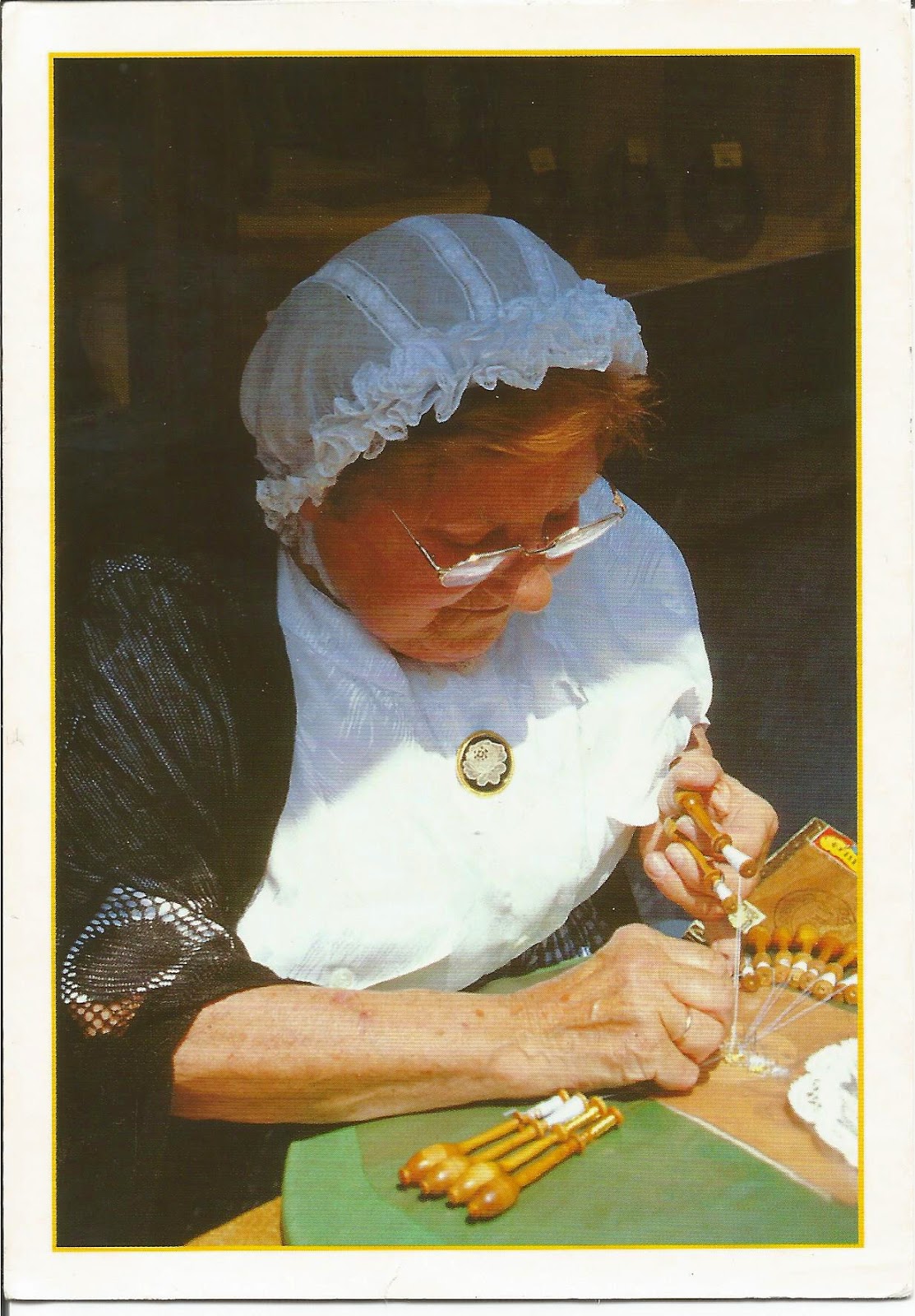
 Belgium is located in north-western Europe. It is surrounded by the Netherlands, the North Sea, Germany, Luxembourg, and France. There are three official languages in Belgium. Dutch, spoken by just under 60% of the population, mainly by the Flemish to the north in the Flanders area. French is spoken by around 40% of the population and mainly to the south in the Wallonia region. There is a small group of German-speakers in eastern Wallonia.   The town of Spa in Belgium is where the word 'spa' comes from. People as far back as ancient Roman times used to come to the town to bathe in the famed cold springs for health and healing purposes.

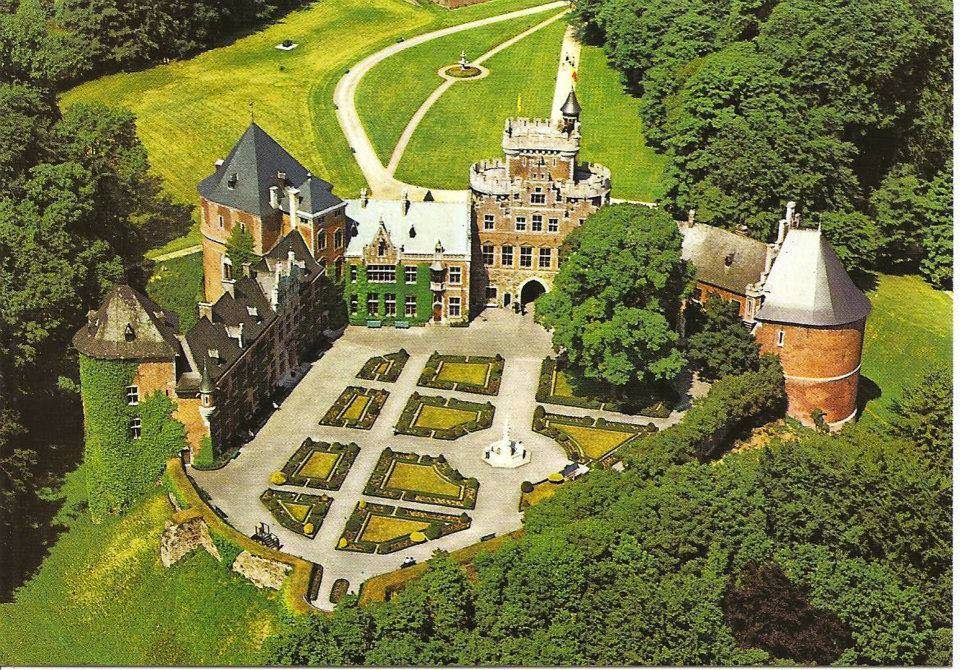
Gaasbeek Castle

Image
Gaasbeek Castle today a national museum, is located in the municipality of Lennik in the province of Flemish Brabant, Belgium. The fortified castle was erected around 1240 to defend the Duchy of Brabant against the County of Flanders. The castle was destroyed however by Brussels city troops in revenge for the assassination of Everard 't Serclaes, which was commanded by the Lord of Gaasbeek. At the beginning of the 16th century the Horne family constructed a brick castle on the ruins of the medieval fortress. In 1565 Lamoral, Count of Egmont, acquired the castle and its domain, including feudal rights in 17 surrounding villages. Accused of high treason by Philip II of Spain, the Count of Egmont was beheaded three years later. In the following centuries the castle was inhabited by several noble families. It obtained its pseudo-medieval appearance as the result of a renovation during the years 1887-1898. The works were executed by the architect Charles Albert and ordered by ...