Pamukkale, meaning "cotton castle" in Turkish, is a natural site in Denizli Province in southwestern Turkey. The city contains hot springs and travertines, terraces of carbonate minerals left by the flowing water. It is located in Turkey's Inner Aegean region, in the River Menderes valley, which has a temperate climate for most of the year.
From the 13th century to the advent of the railway in the early 20th century, Safranbolu was an important caravan station on the main East–West trade route. The Old Mosque, Old Bath and Süleyman Pasha Medrese were built in 1322. During its apogee in the 17th century, Safranbolu's architecture influenced urban development throughout much of the Ottoman Empire.
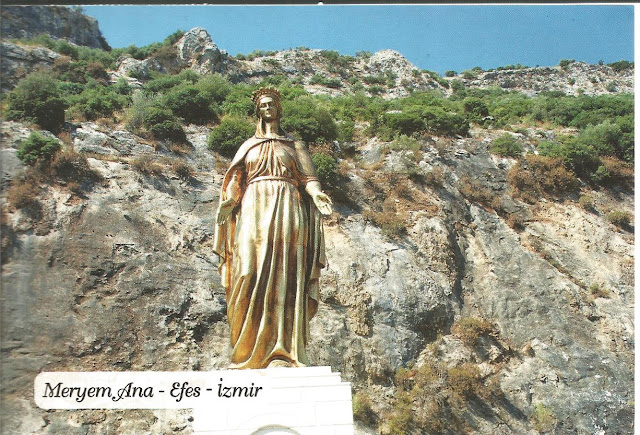
Ephesus is an ancient city in Turkey’s Central Aegean region, near modern-day Selçuk. Its excavated remains reflect centuries of history, from classical Greece to the Roman Empire – when it was the Mediterranean’s main commercial center – to the spread of Christianity. Southwest of Selçuk stands the House of the Virgin Mary, a pilgrimage site believed to be where Mary spent the last years of her life.
In an extraordinary meeting of nature's artistic splendor and humankind's resourcefulness, Cappadocia is one of those rare places that must be experienced at least once in a lifetime. With soaring rock formations, uniquely-rippled landscapes, splendid walking trails, mysterious underground cities and rock-cut churches, Cappadocia is the must-see destination in Turkey.
Istanbul is the only city in the world that straddles two continents: Asia and Europe. W hile being the ancient capital of many empires, from Rome to the Ottoman era, it is not the modern capital of Turkey as Ankara is. Istanbul has the same population – 13 million and rising – as one of the smallest countries in Europe, Belgium