Posts

Showing posts with the label France

Mont Sain-Michel

Image
Le Mont-Saint-Michel is an island commune in Normandy, France.   As of 2009, the island has a population of 44.   According to legend, the archangel Michael appeared in 708 to Aubert of Avranches, the bishop of Avranches, and instructed him to build a church on the rocky islet.

Le Mans, France

Image
Le Mans (pronounced: [lÉ™ mÉ‘̃]) is a city in France, on the Sarthe River. Traditionally the capital of the province of Maine, it is now the capital of the Sarthe department and the seat of the Roman Catholic diocese of Le Mans.Since 1923, the city has hosted the internationally famous 24 Hours of Le Mans endurance sports car race.

Borie, France

Image
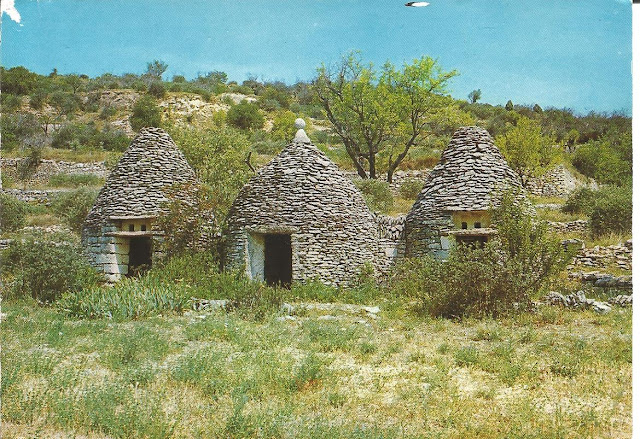
The Bories village, a very unique village, is composed of seven groupings of huts, each having a very precise function. You will find houses, stables, sheepfolds, barns, grain lofts, silkworm factories and bakehouses, vat houses and tanning mills, henhouses, pig sties and goat shelters. The existence of this village shows that, outside of just a sporadic use of a borie, as a temporary dwilling, for example, or for agricultural purposes, there was a whole social and economic system built around and based on these dwellings of former times.

Côte-d'Or

Image
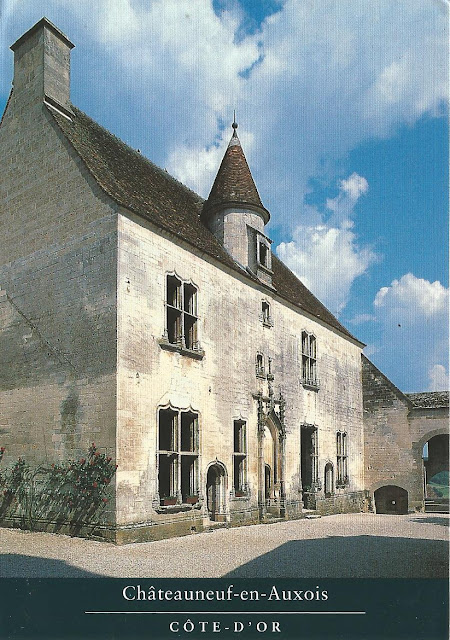
  The Cote d'Or department occupies the north-eastern part of Burgundy, in central-eastern France. The capital of Cote d'Or (and of the Burgundy region) is the impressive town of Dijon.

Semur-en-Auxois, France

Image
  Semur-en-Auxois is a commune of the Côte-d'Or department in eastern France. The engineer Edmé Régnier L'Aîné and the Encyclopédiste Philippe Guéneau de Montbeillard were born in Semur-en-Auxois.

Little Venice, France

Image

French Street

Image

L'Alsace

Image
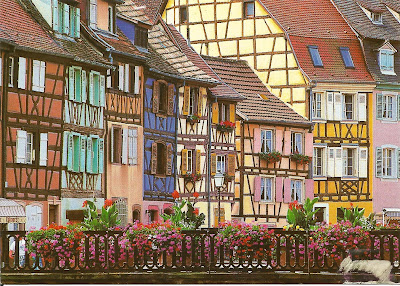
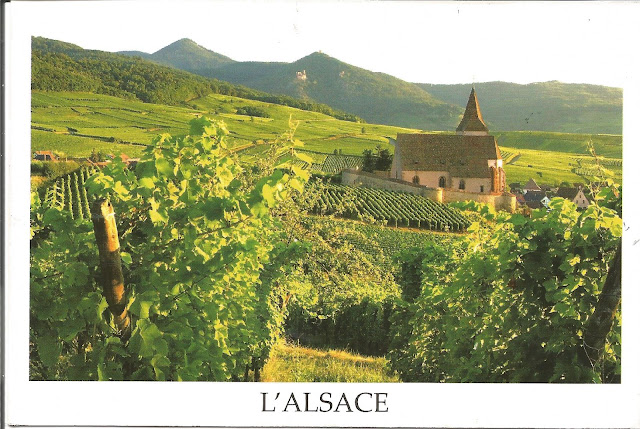
Alsace is the Germanic region of France.istorically speaking, Alsace was part of the German-speaking area of central Europe, and to this day a large proportion of the population, of all generations, speak or understand Alsacian, a dialectal form of German closely resembling the German spoken in Switzerland. In terms of heritage and culture, with its villages of brightly-painted steep-roofed half-timbered houses, Alsace is definitely germanic. While today people are free - within limits - to choose what colour to paint a building, in the past the colours had a significance, and town houses, which often had shops or boutiques on the ground floor, were painted according to the type of shop - bakeries in one colour, butchers in another, shoemakers in a third colour, and so on. Today that is no longer the case, but the tradition of brightly coloured half-timbered houses has become firmly established as the local Alsatian style

Church of Notre-Dame of Dijon

Image
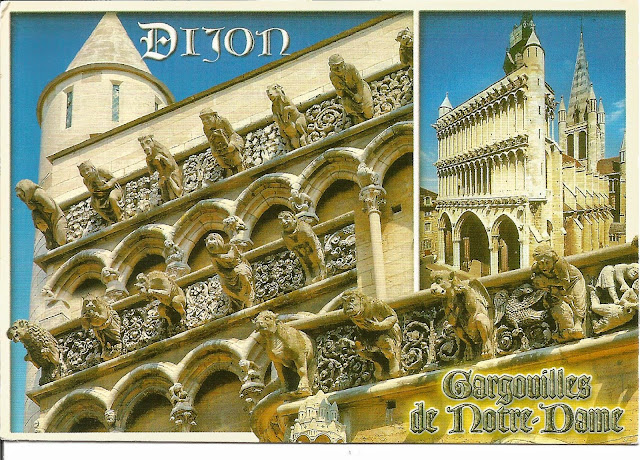
The Church of Notre-Dame of Dijon is a Roman Catholic church in Dijon. Considered a masterpiece of 13th-century Gothic architecture, it is situated at the heart of the preserved old centre of Dijon. It is in Place Notre-Dame, near the Palace of the Dukes of Burgundy and opposite the rue Musette.

Dijon

Image
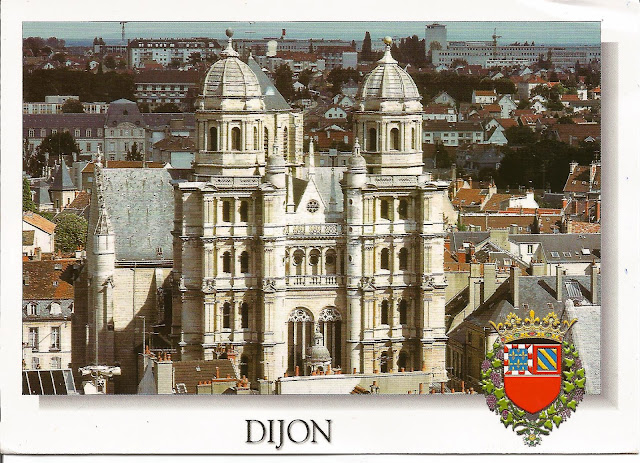
Dijon is perhaps best known for its mustard (named after the town), which is still produced locally, but it is also one of the most beautiful cities in France, and its historic buildings and byways were not heavily damaged by bombing in World War Two and are largely intact. Dijon was for some time the capital of the Dukes of Burgundy. Burgundy was a great power during the 14th and 15th centuries, when the dukes controlled a large part of what is now northeastern France, western Germany, Belgium, and the Netherlands.

Azay-Le-Rideau

Image
The current château of Azay-le-Rideau occupies the site of a former feudal castle. During the 12th century, the local seigneur Ridel (or Rideau) d'Azay, a knight in the service of Philip II Augustus, built a fortress here to protect the Tours to Chinon road where it crossed the river Indre. However, this original medieval castle fell victim to the rivalry between Burgundian and Armagnac factions during the Hundred Years' War. In 1418, the future Charles VII passed through Azay-le-Rideau as he fled from Burgundian occupied Paris to the loyal Armagnac stronghold of Bourges. Angered by the insults of the Burgundian troops occupying the town, the dauphin ordered his own army to storm the castle. The 350 soldiers inside were all executed and the castle itself burnt to the ground. For centuries, this fate was commemorated in the town's name of Azay-le-Brûlé (literally Azay the Burnt), which remained in use until the 18th century.

Azay-le-Rideau

Image
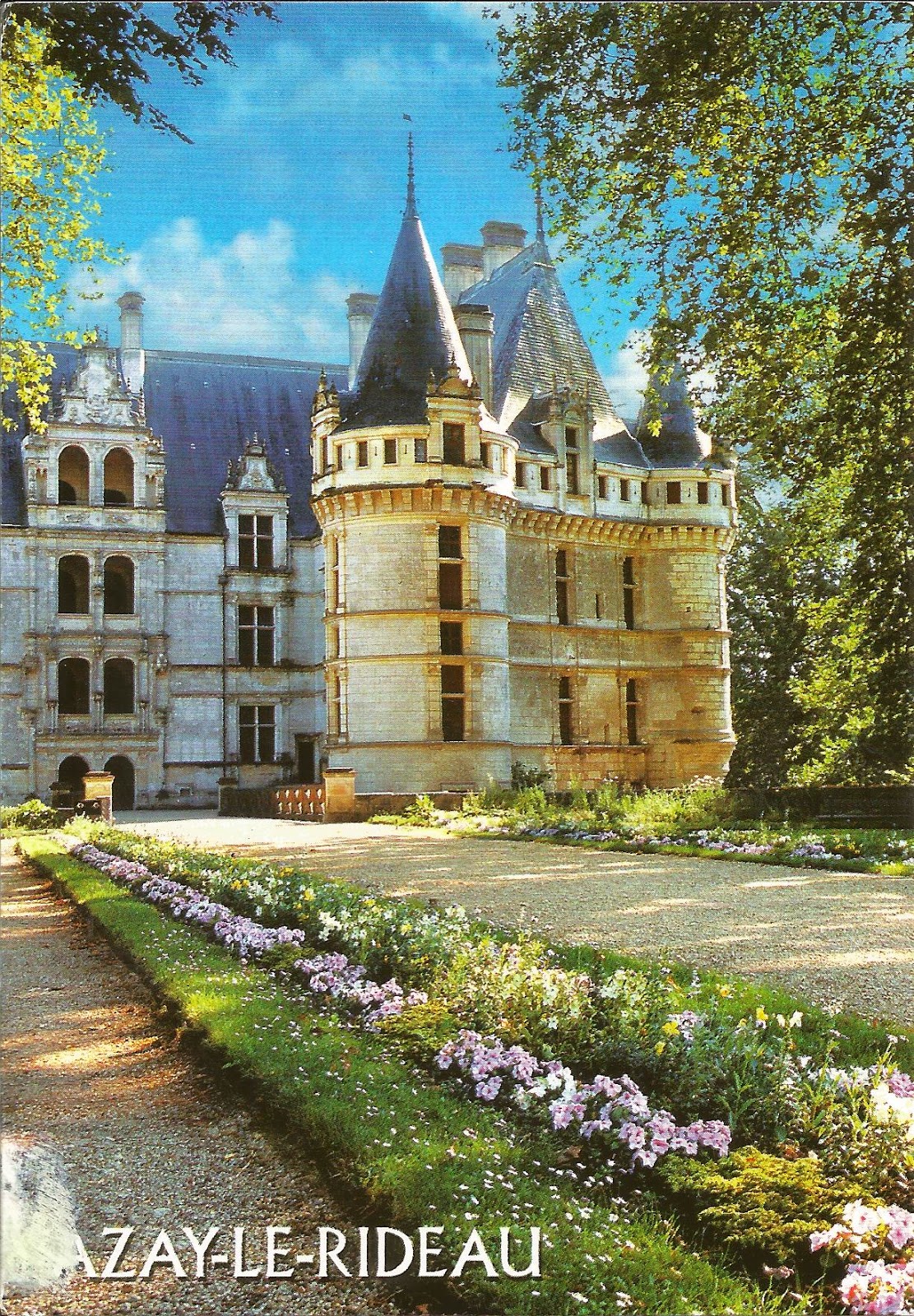
 The château of Azay-le-Rideau was built from 1515 to 1527, one of the earliest French Renaissance châteaux. Built on an island in the Indre River, its foundations rise straight out of the water. It is well-known to be part of the châteaux of the Loire valley.

Maison Pfister, Colmar

Image
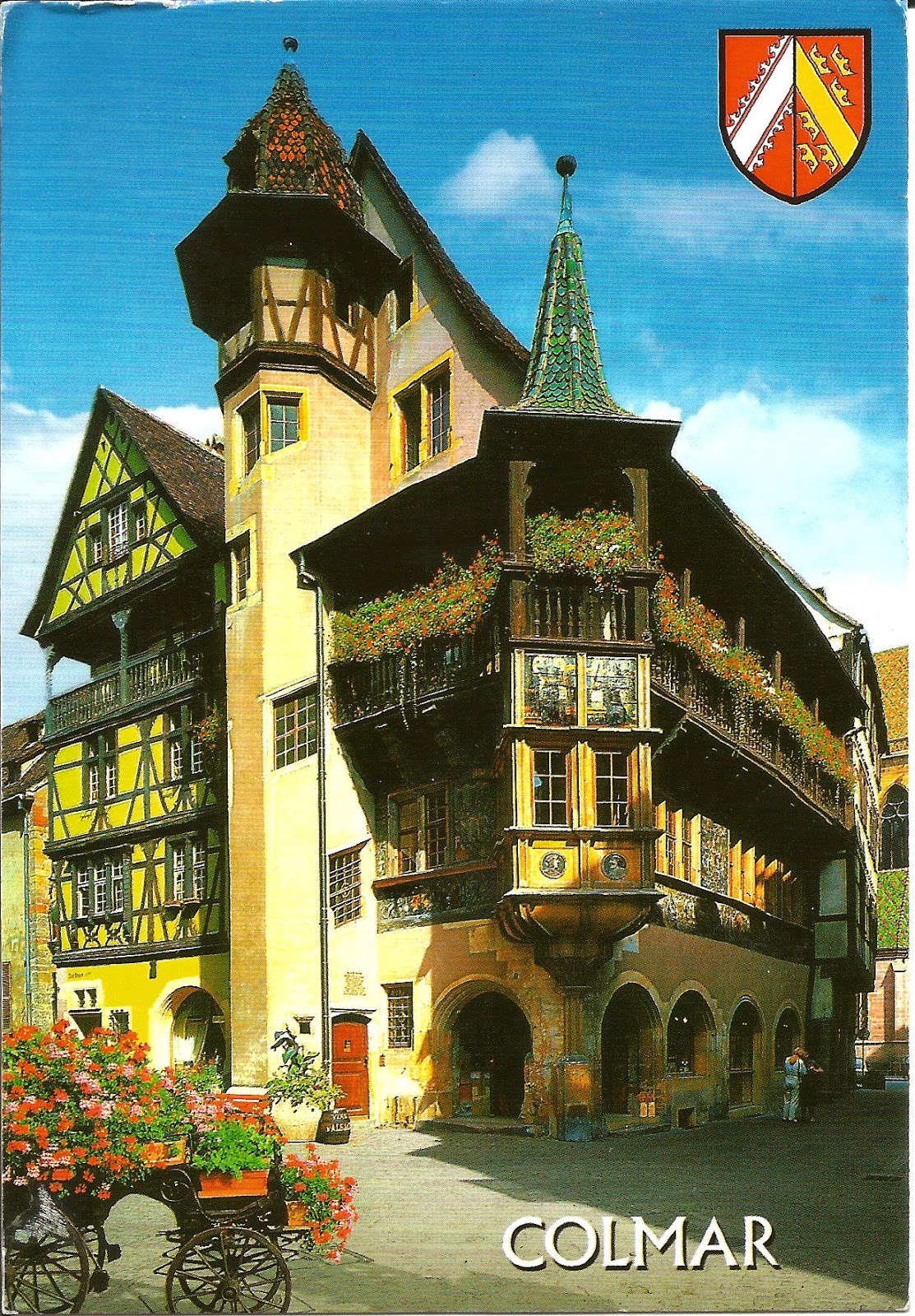
  Colmar   is the third-largest commune of the Alsace region in north-eastern France. The town is situated along the Alsatian Wine Route and considers itself to be the "capital of Alsatian wine".The city is renowned for its well preserved old town, its numerous architectural landmarks and its museums.

Brittany folklore

Image
Brittany is a land of legends and superstition. Many folk customs and legends center on death, symbolized by a character named Ankou. He figures in numerous tales, depicted as a skeleton carrying a scythe and often riding on a wooden cart. Bretons believe that the creaking of the cart Ankou rides in predicts the death of a person in the neighborhood. According to legend, the town of Quimper was founded by King Gradlon. His former capital, the city of Is, is said to have been destroyed when his daughter, bewitched by the Devil, let in the floodwaters of the sea. Escaping with her on horseback, the king received an order from Heaven to throw her into the sea. There she turned into the mermaid Marie-Morgane. It is said that if Mass is ever celebrated in one of Is's churches on Good Friday, the drowned city will be restored and the mermaid will become hum...

Bretons

Image
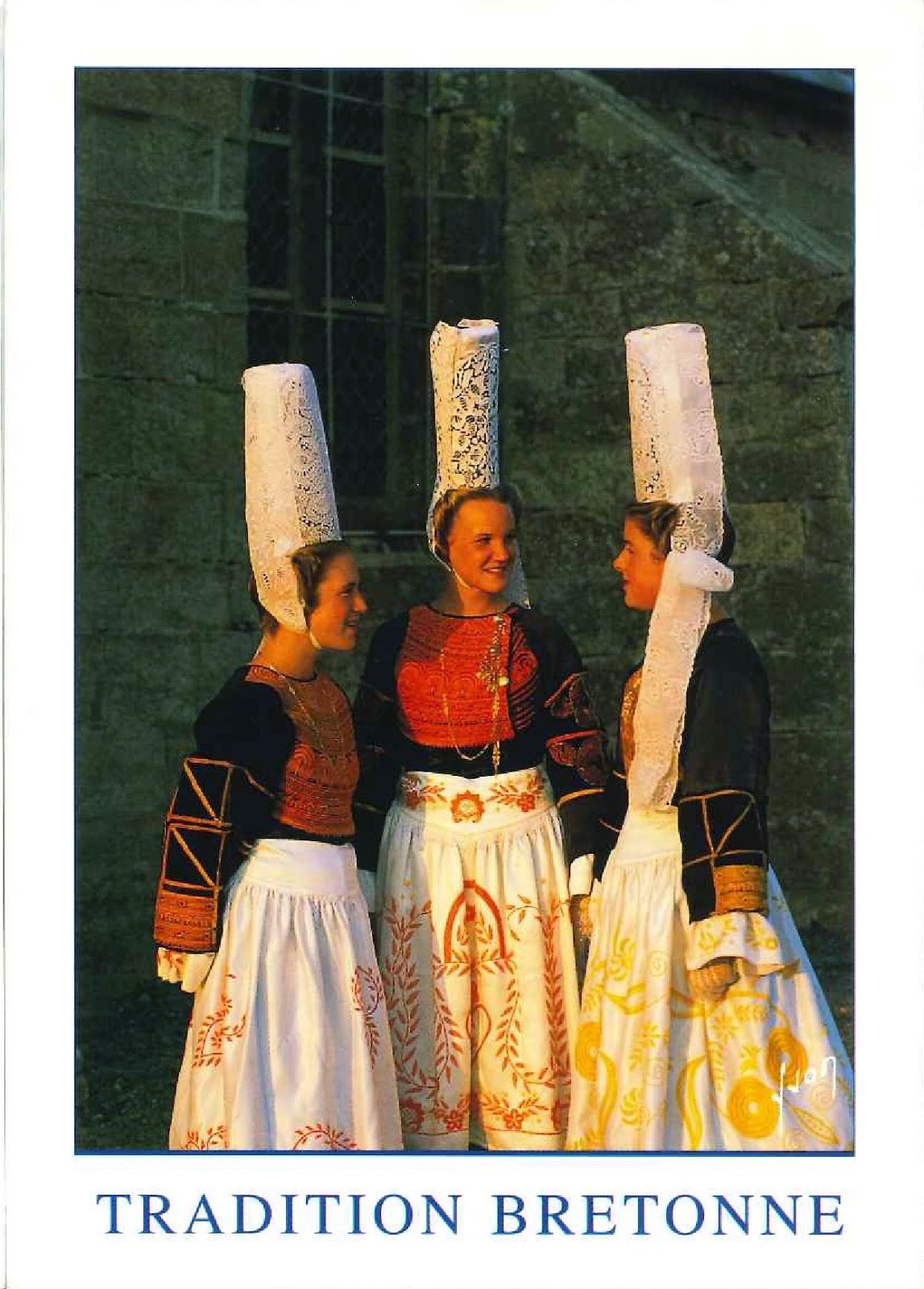
 The Bretons are an ethnic group located in the region of Brittany in France. They trace much of their heritage to groups of Brittonic speakers who emigrated from southwestern Great Britain including Cornwall to avoid invading Germanic tribes. They migrated in waves from the 3rd to 9th century (most heavily from 450 to 600) into the Armorican peninsula, which was subsequently named Brittany after them.  The main traditional language of Brittany is Breton ( Brezhoneg ), spoken in Lower Brittany. Today, Breton is spoken by approximately 365,000 people, of whom about 240,000 speak it fluently.    Currently, most Bretons' native language is French.

Chateau de Chenonceau

Image
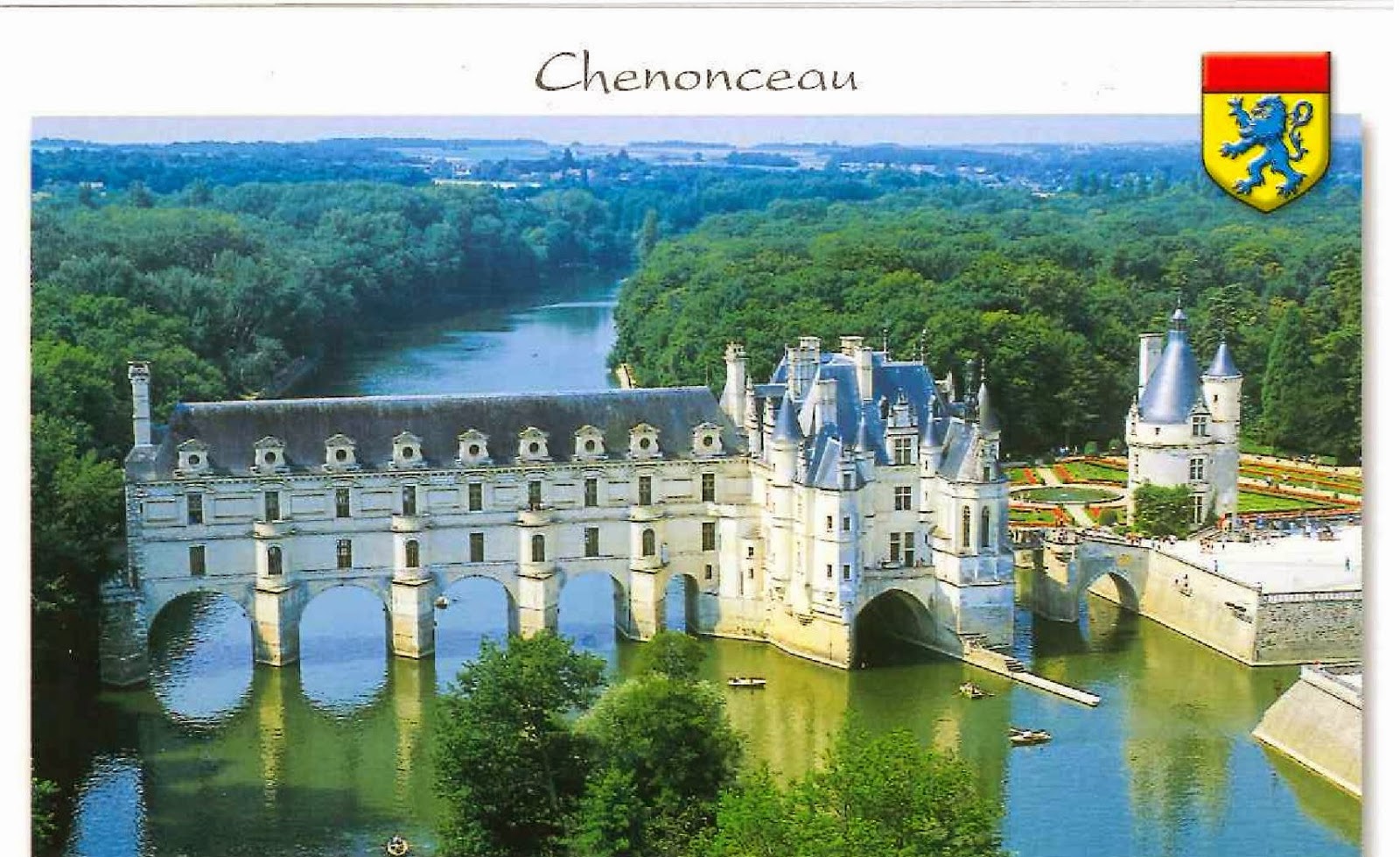
   Chateau de Chenonceau is among many of Loire Valley Chateaux that boast amazing architecture and historical significance drawing thousands of tourists from all over the world. Chateau de Chenonceau is sometimes called the Ladies Castle by some historians due to feminine figures having greatly influenced the construction and development of this French Chateau over the centuries.     Chateau de Chenonceau that we know today was officially built in 1513 by Charles XVIII of France who used his wife Catherine Briconnet’s great taste in constructing one of the most beautiful and recognizable Castles in French history. Catherine Briconnet found great joy in entertaining royal guests and noblemen on the grounds of this spectacular Chateau.      Chateau de Chenonceau had seen a lot during two major wars, however the largest degree of damage was done during the 1940 Cher River flooding. A young agronomist Bernard Voisin was in charge...